AnchorSight Selected for DTV’s Deep-Tech Ventures Program
Published:
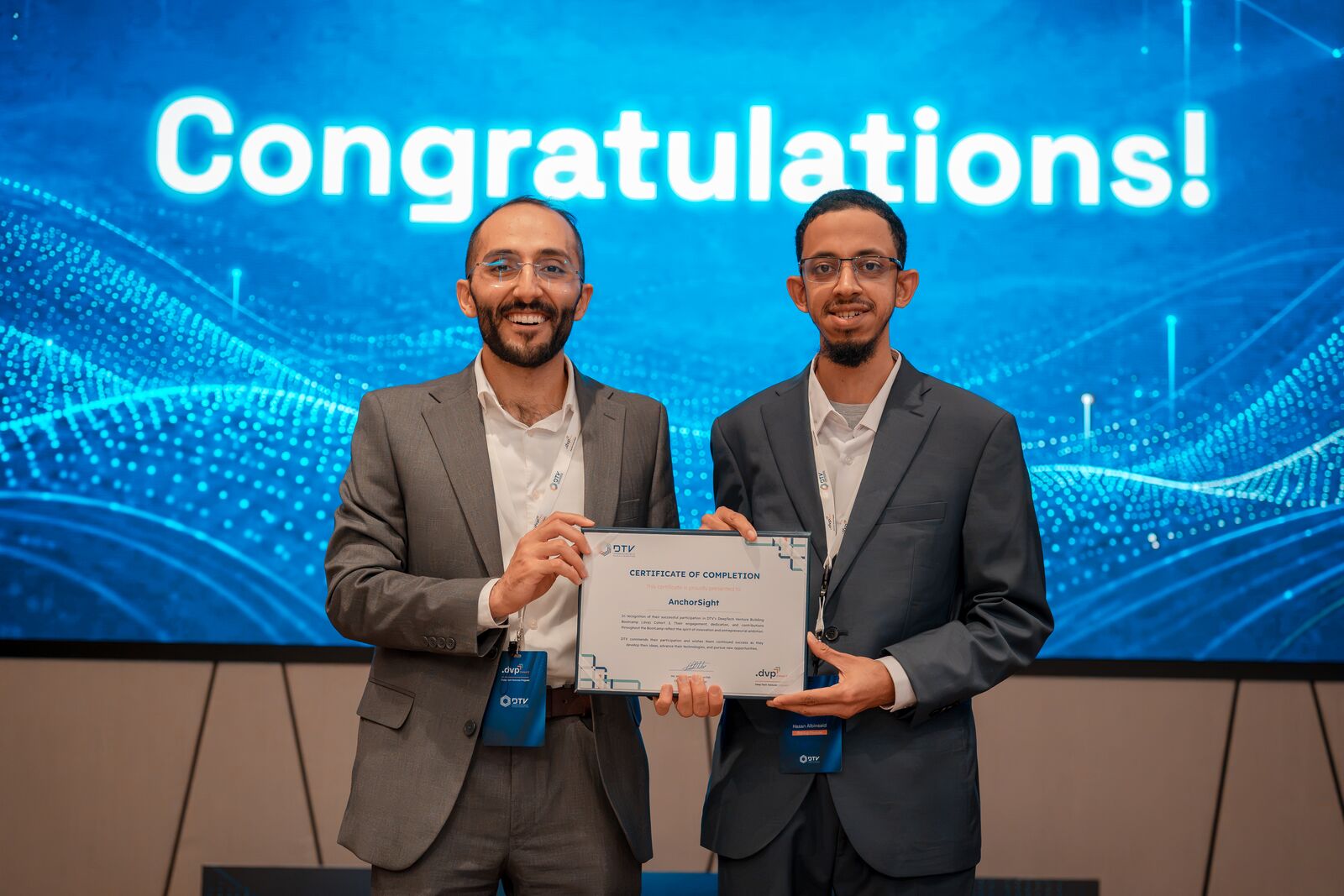
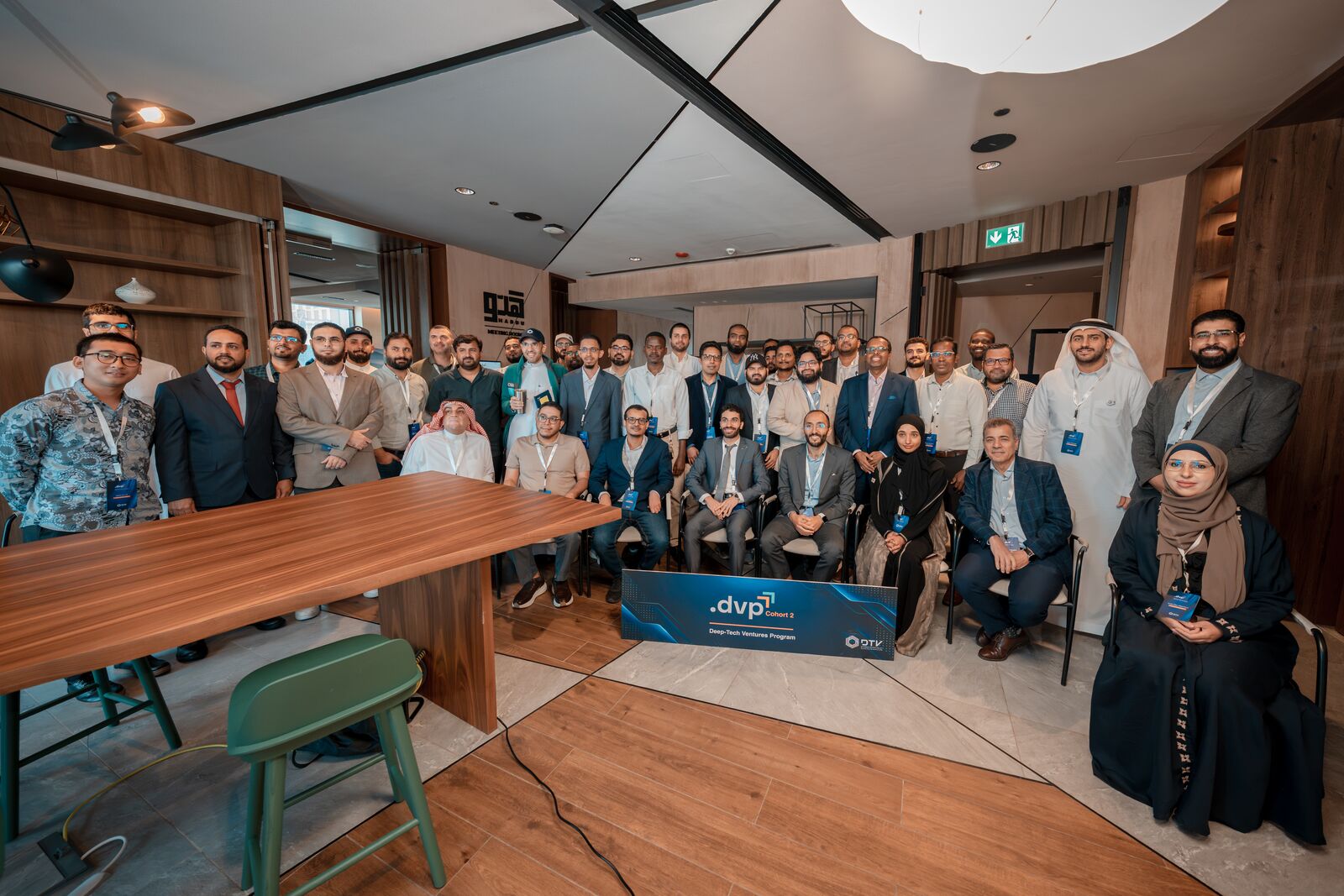
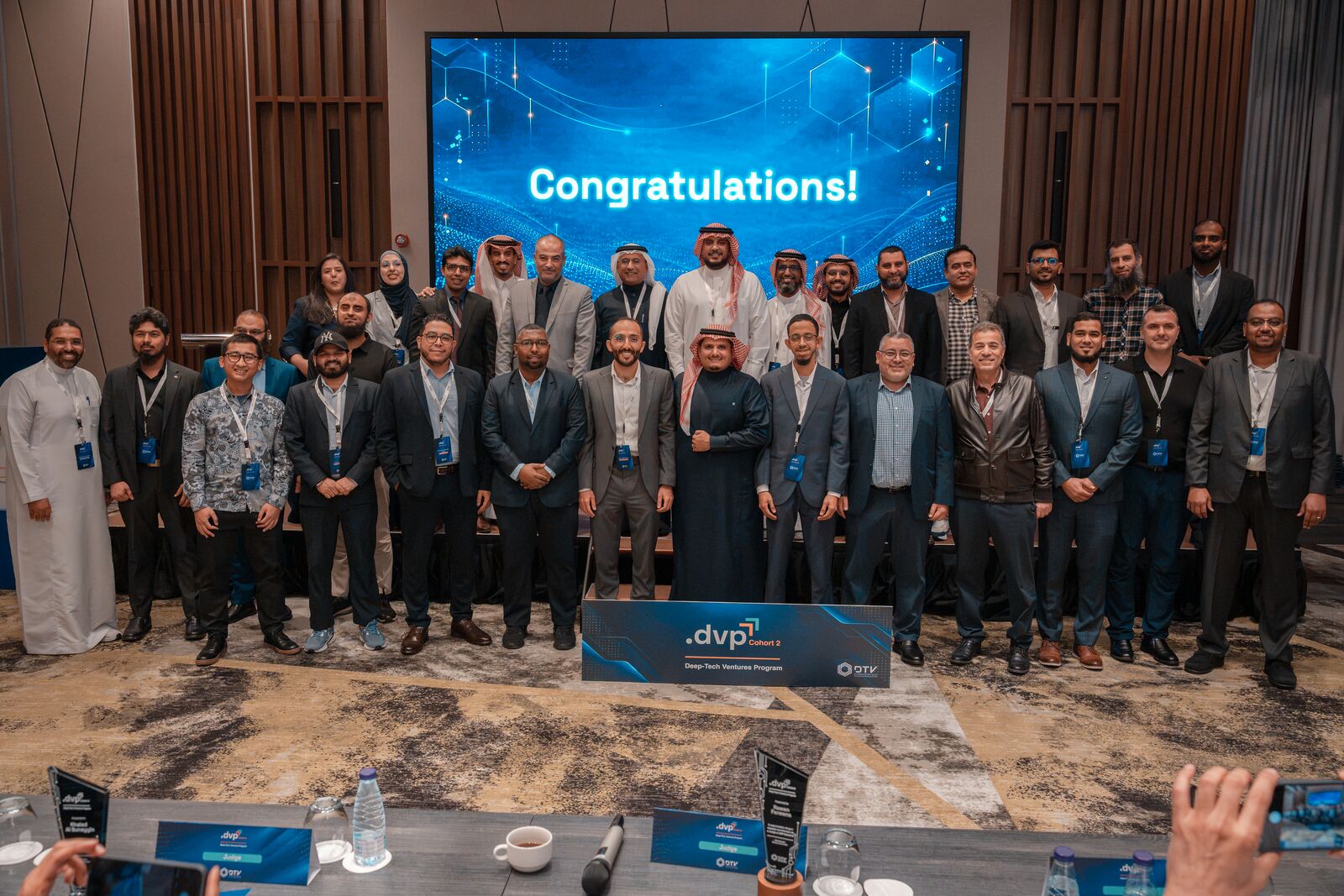
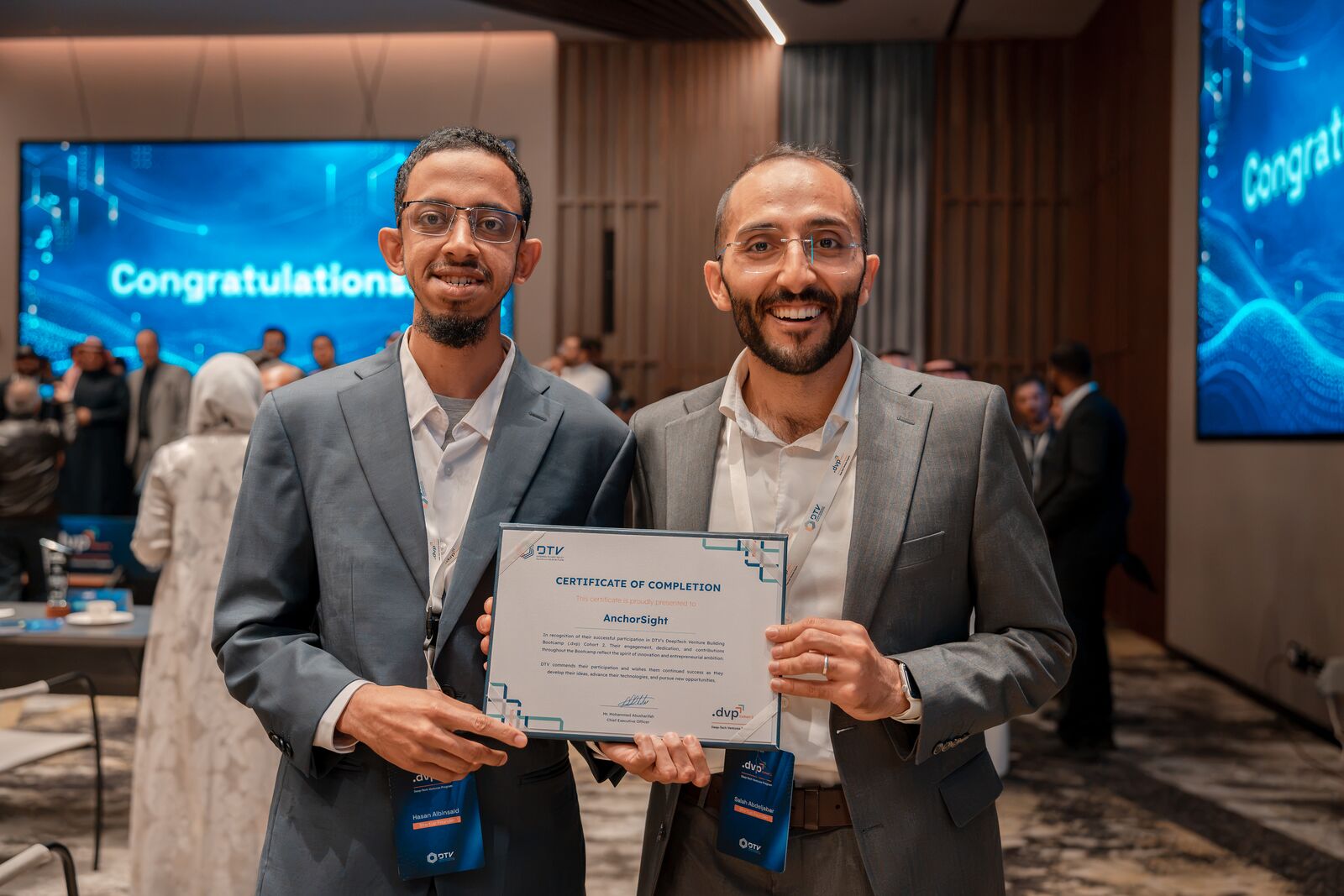
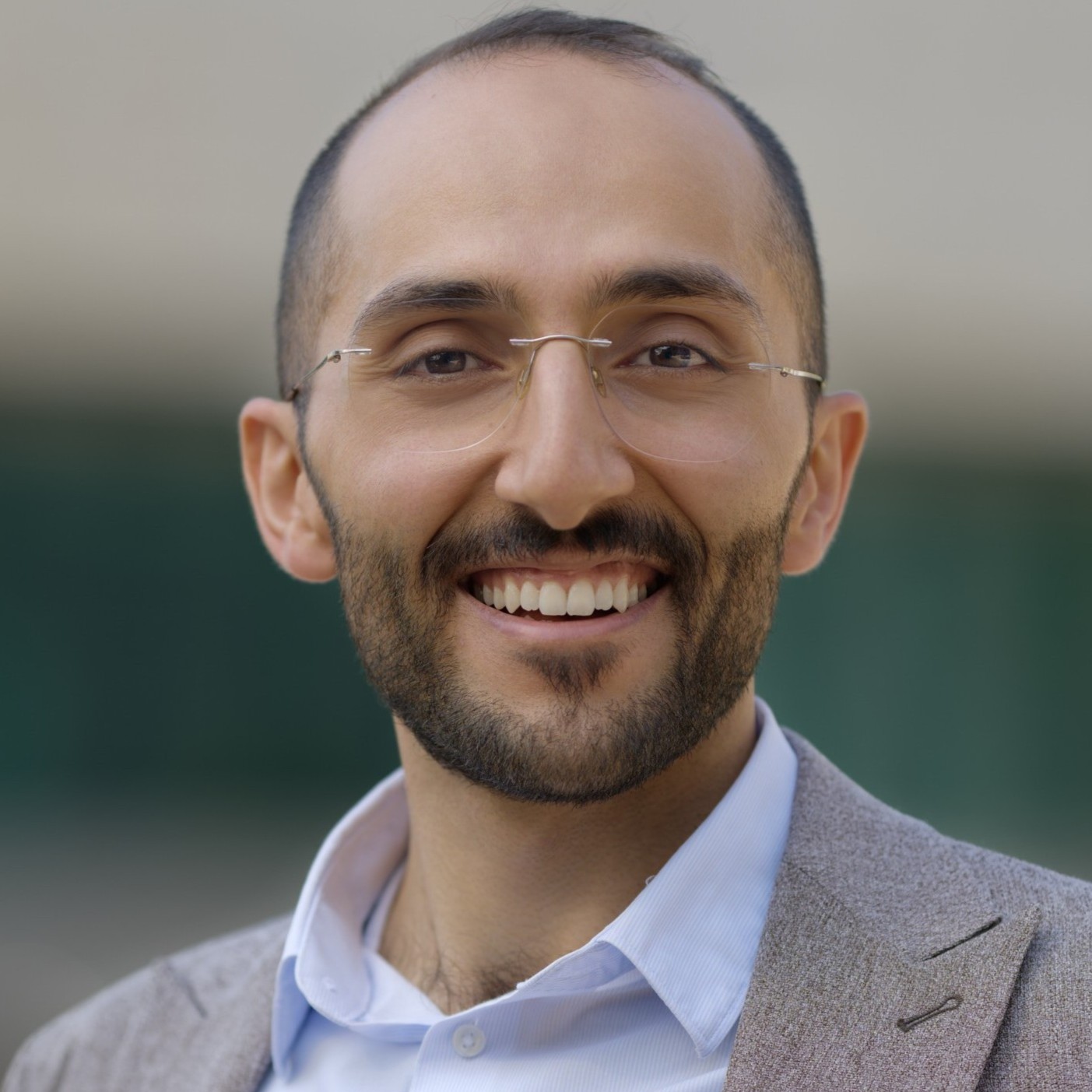
AnchorSight, the venture I co-founded with my KAUST CTL colleague Hasan Albinsaid, is one of the 10 ventures selected for Cohort 2 of the Deep-Tech Ventures Program (.dvp) at Dhahran Techno Valley (DTV). The program received 230 applications. DTV invited 30 teams to a five-day bootcamp in Dhahran, and on Demo Day a panel of industry experts and investors chose the final 10.
Quick links
About the program
The .dvp is DTV’s flagship commercialization program. It is built for founders whose technology already works in the lab and who want to take it to market. Applicants need a defensible technology and a proof of concept at TRL 3 to 4. Cohort 2 covers five domains: energy, advanced manufacturing, digitalization and semiconductors, water and sustainability, and advanced materials and mining.
The program runs in four stages:
- Selection. A panel reviewed 230 applications on technology, market, defensibility, and team.
- Bootcamp and Demo Day. Thirty teams spent five days in Dhahran, then pitched on Demo Day.
- Venture development. The 10 selected ventures work full time at DTV for 12 weeks.
- Deal Day. Each venture pitches to investors and industry partners for pilots and funding.
Each selected venture receives up to SAR 200,000 in in-kind support. Half covers product development, prototyping, and testing. The other half covers business and legal services and coaching.
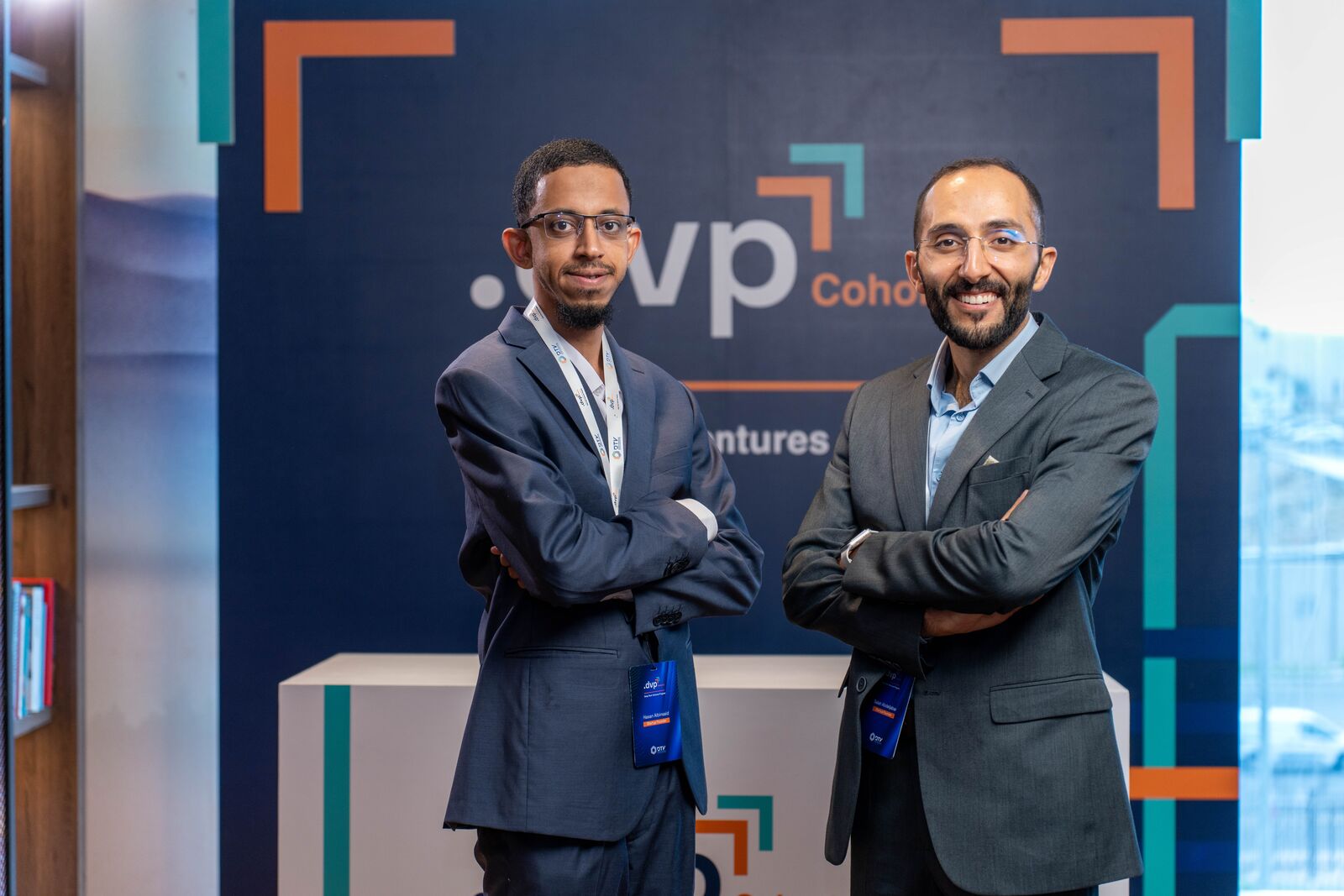
The bootcamp and Demo Day
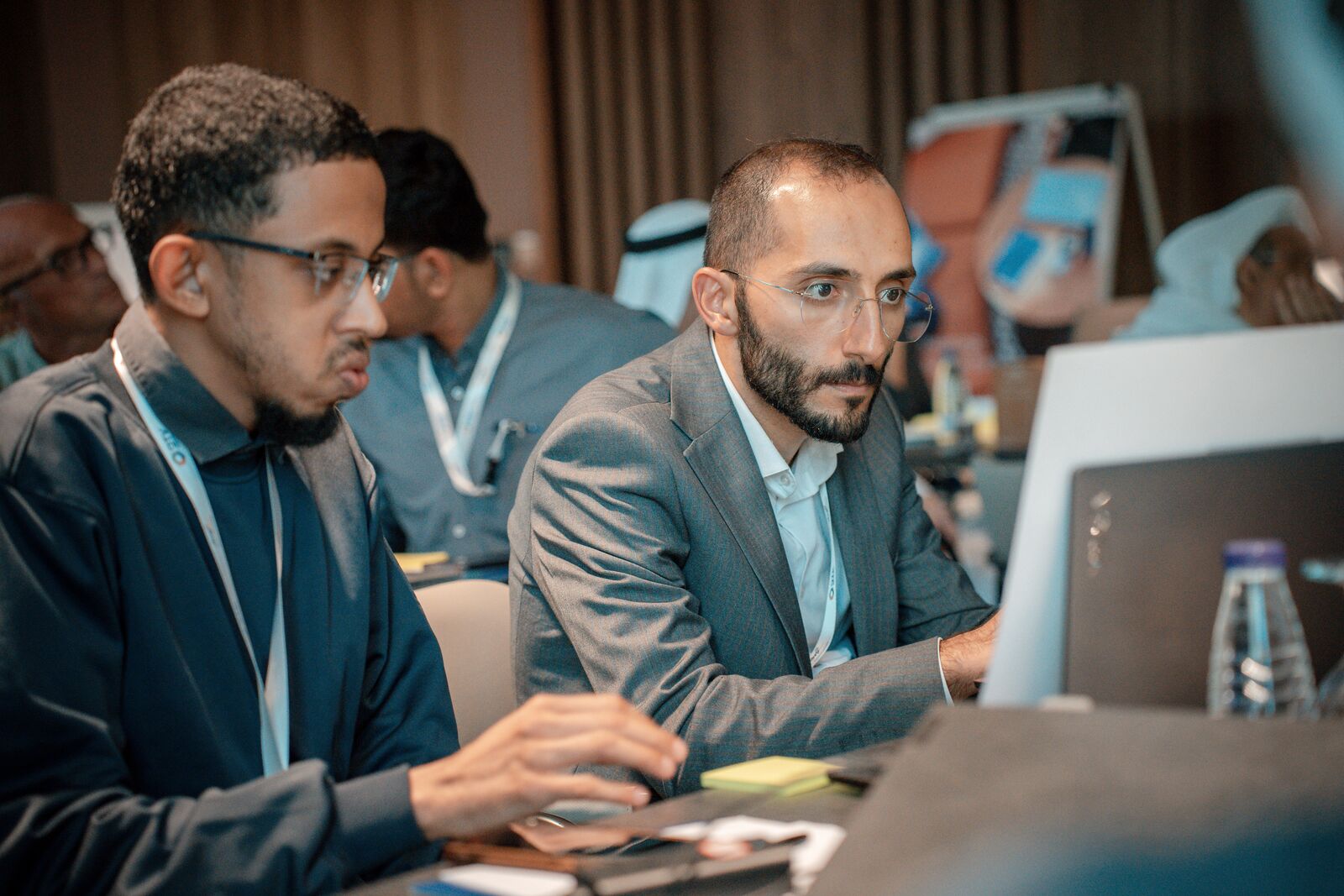
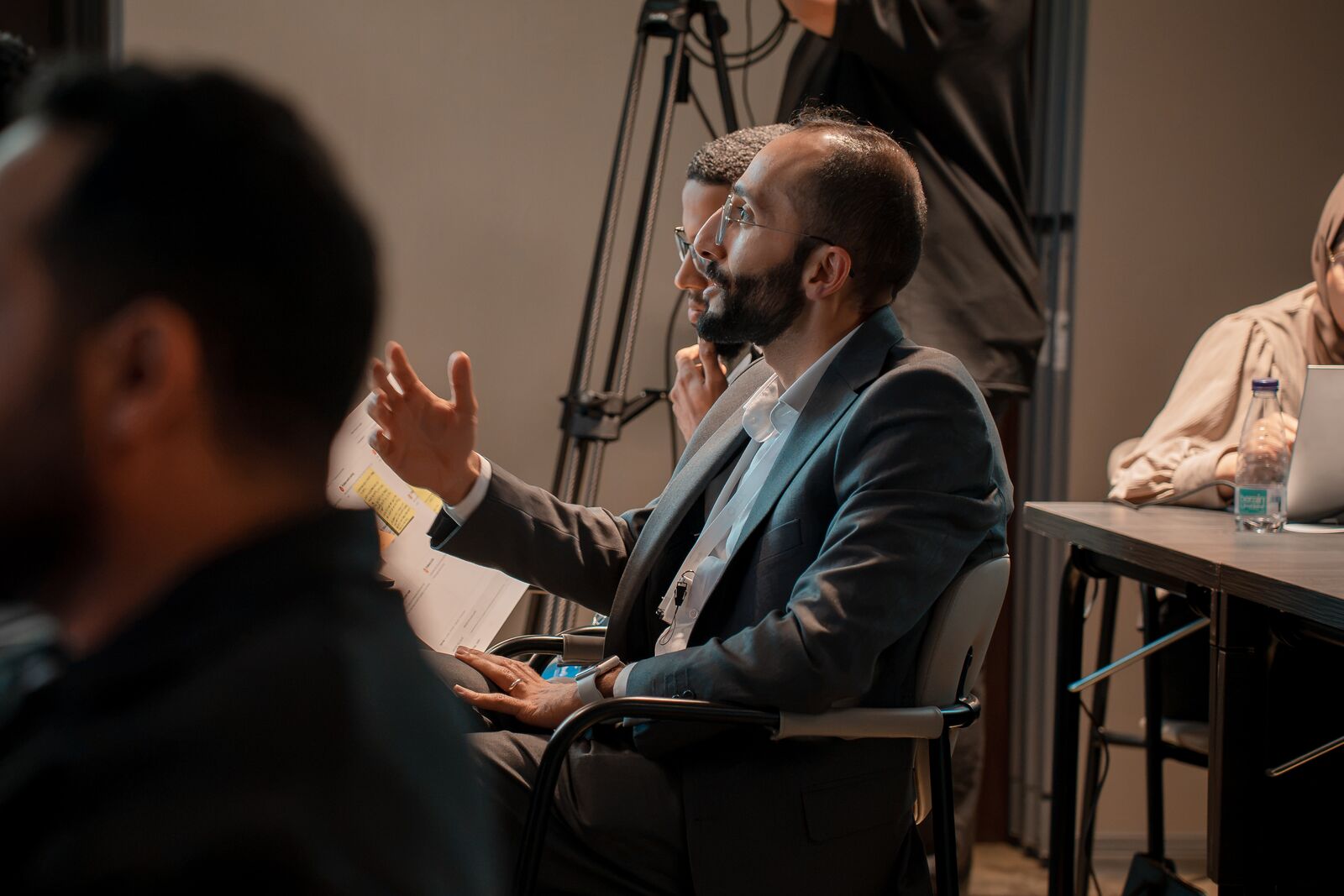
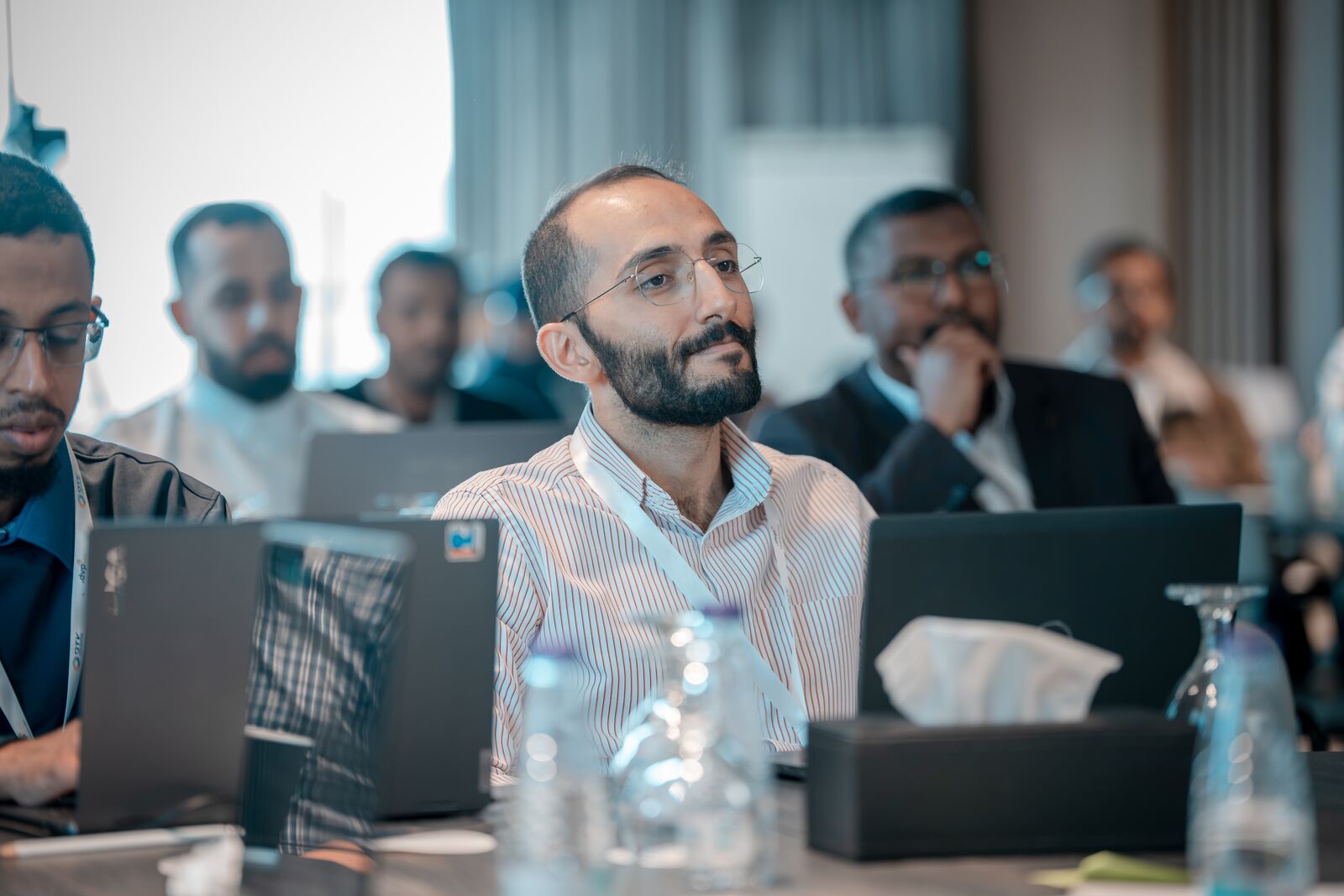
The bootcamp ran from November 8 to 12, 2026, at Novotel Dhahran. Hasan and I attended in person as AnchorSight’s two team members. Each day moved the teams one step from technology toward a venture:
- Day 1: the first market path. Who has the pain, who pays, and how to reach them.
- Day 2: the deep-tech pitch. How to separate proof from assumption.
- Day 3: product development. How to design the product the buyer needs.
- Day 4: business, team, and market sizing.
- Day 5: a hardware deep dive and a business tour.
Each afternoon we applied the session directly to AnchorSight. We then used one-to-one rehearsal clinics on Friday and Saturday to refine the pitch.
Demo Day was on November 14. Each team presented the problem, the technology, the evidence, and the plan to a panel of industry experts and investors. That evening, DTV announced AnchorSight as one of the 10 ventures selected for the program.
What AnchorSight builds
Container yards and outdoor industrial sites lose track of assets every day. A container placed in the wrong row can stay lost for up to a month while staff search for it by hand. Every hour of that search can hold up a ship that waits to load.
GPS trackers do not solve this problem. Their batteries run out quickly, and GPS jamming is now common in the region. During our own tests at KAUST, my phone placed me in Port Sudan, across the Red Sea.
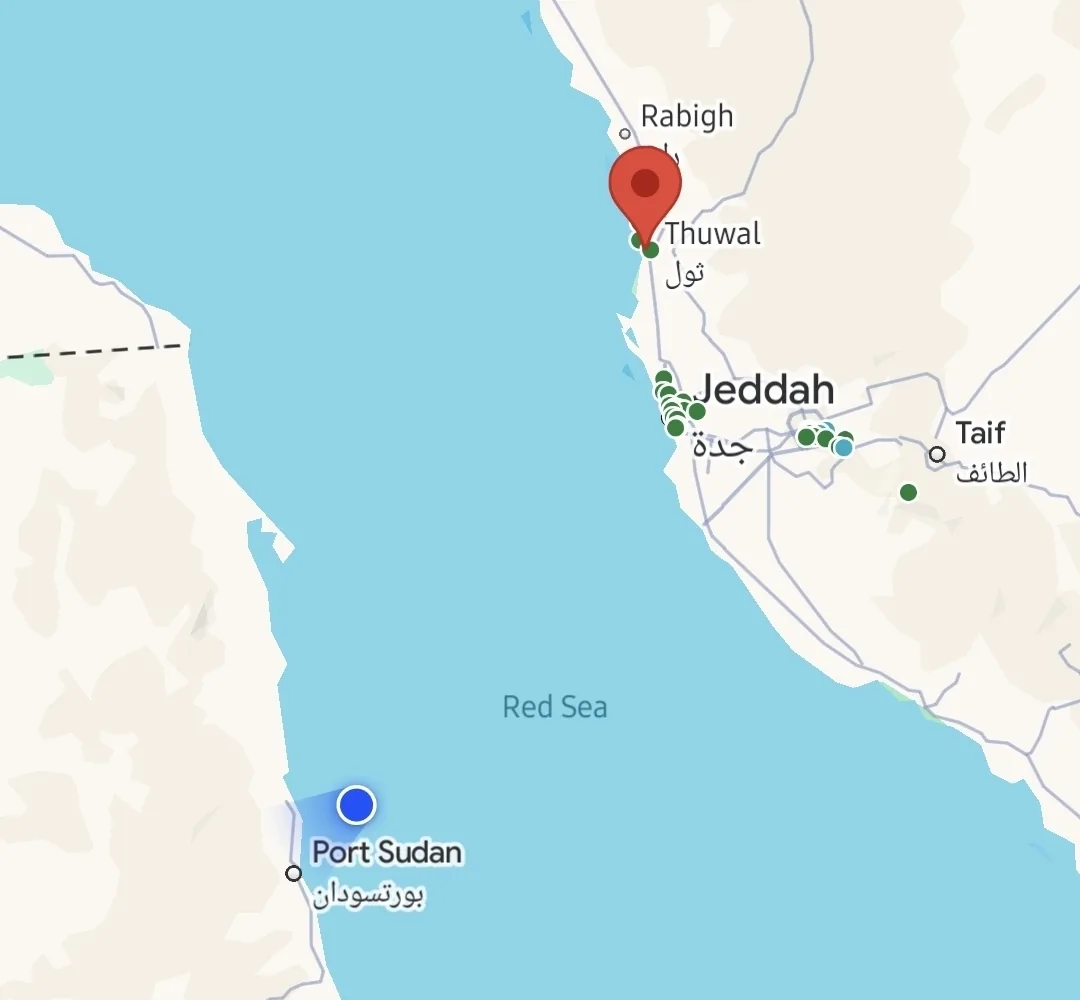 Where I am: KAUST
Where GPS puts me
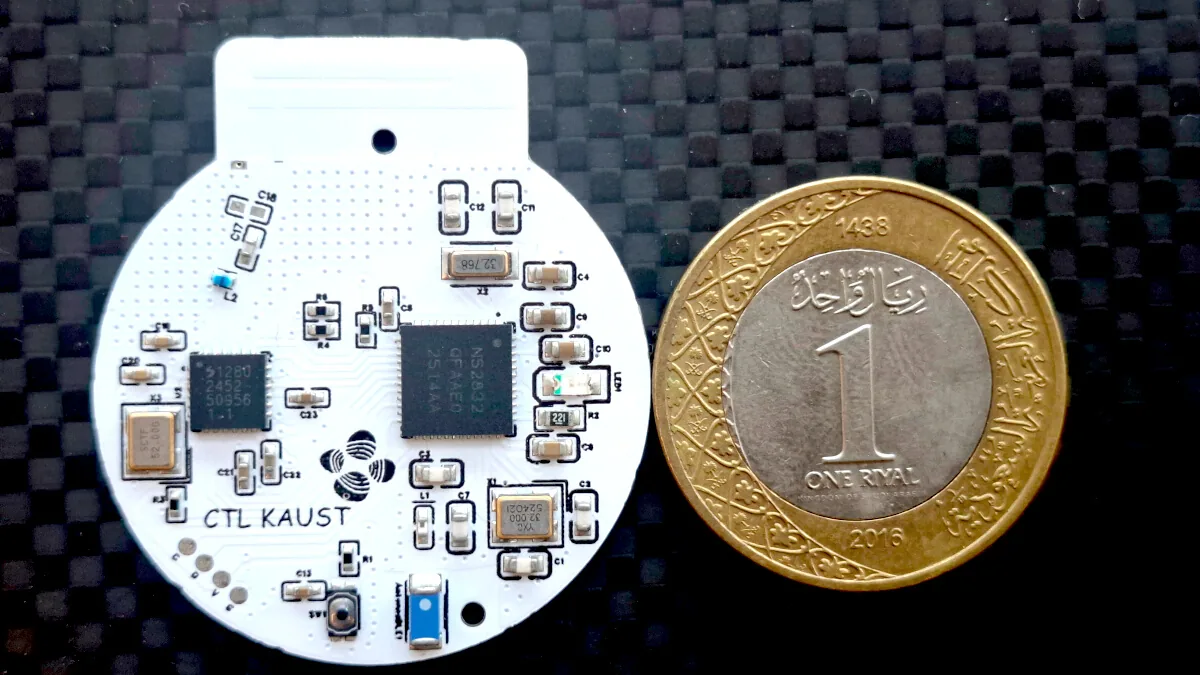
AnchorSight is a private asset localization system that does not need GPS. The site owner installs its own anchors, and small tags on each asset find their position relative to those anchors. In short, the site gets its own satellites on the ground. The system covers kilometer-scale sites, and we designed the tags to run for years on a single battery. All location data stays on the site’s own premises.
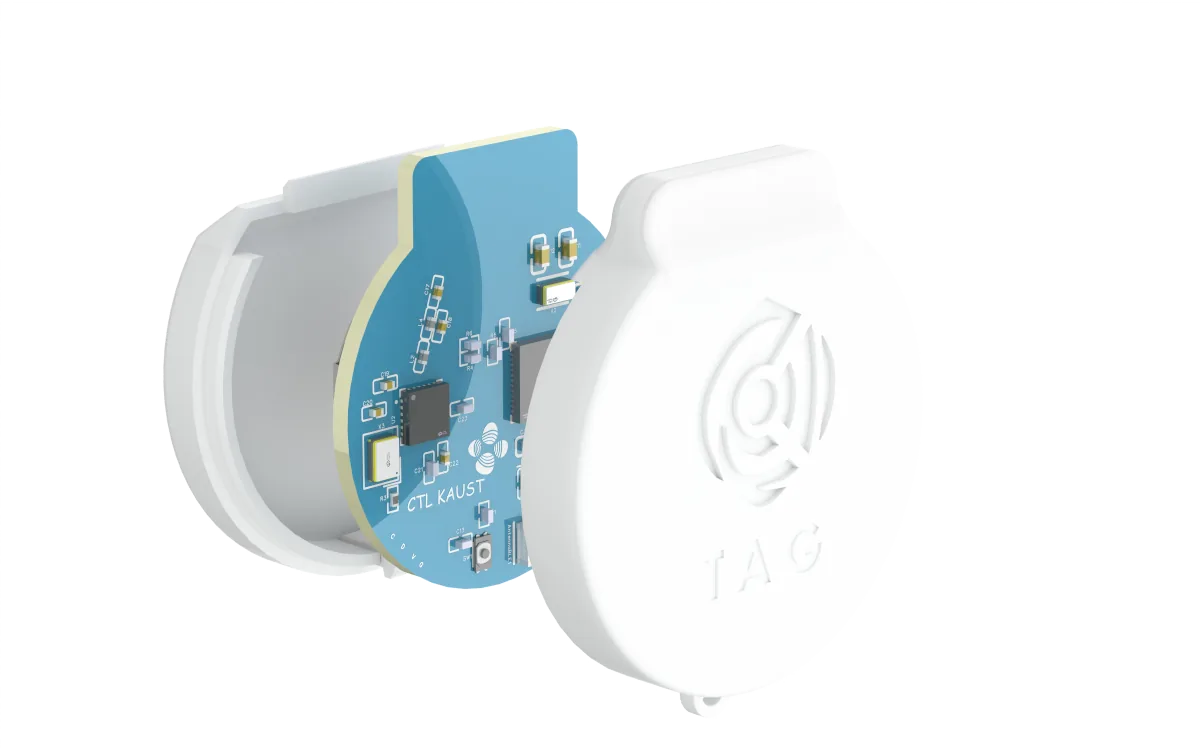
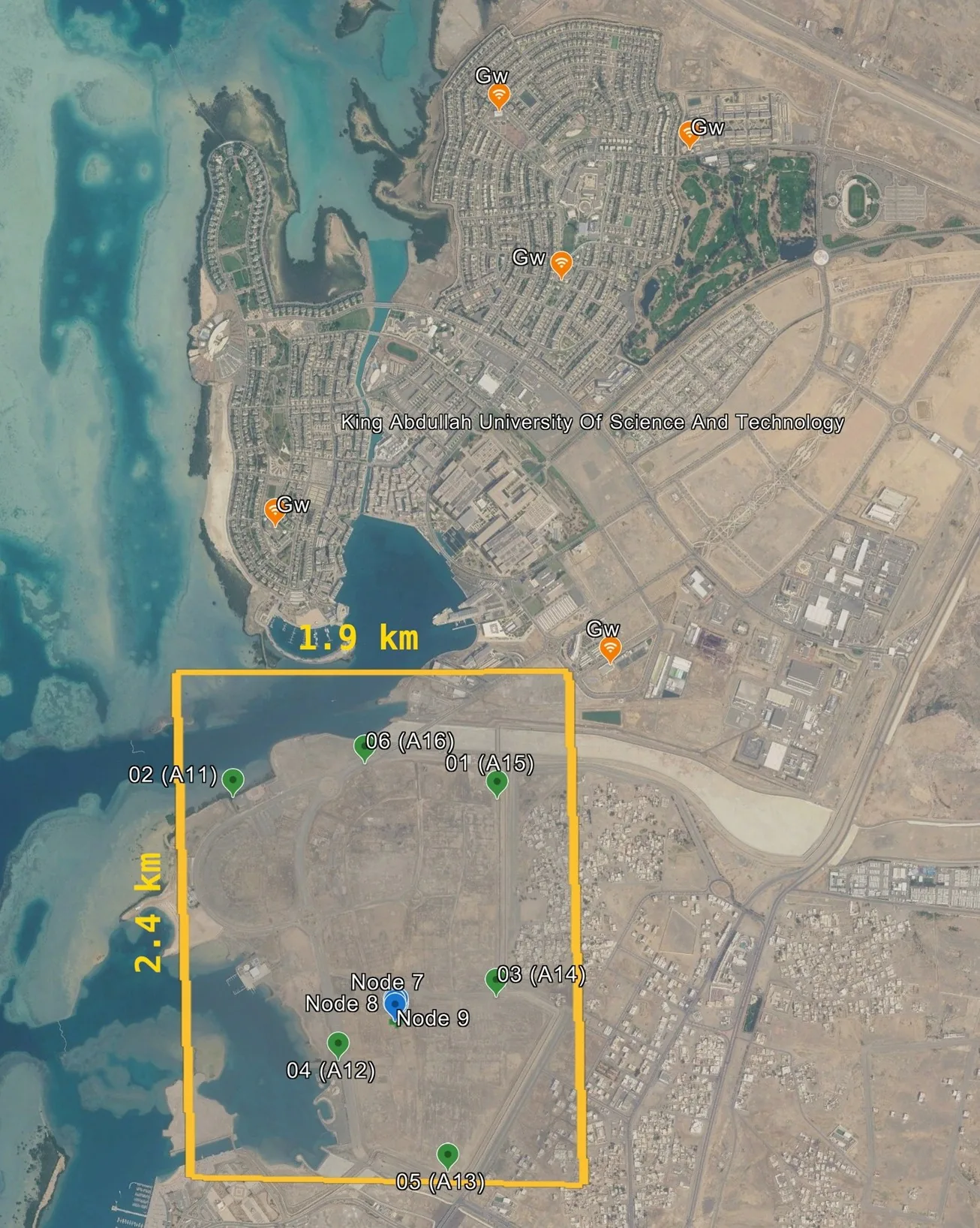
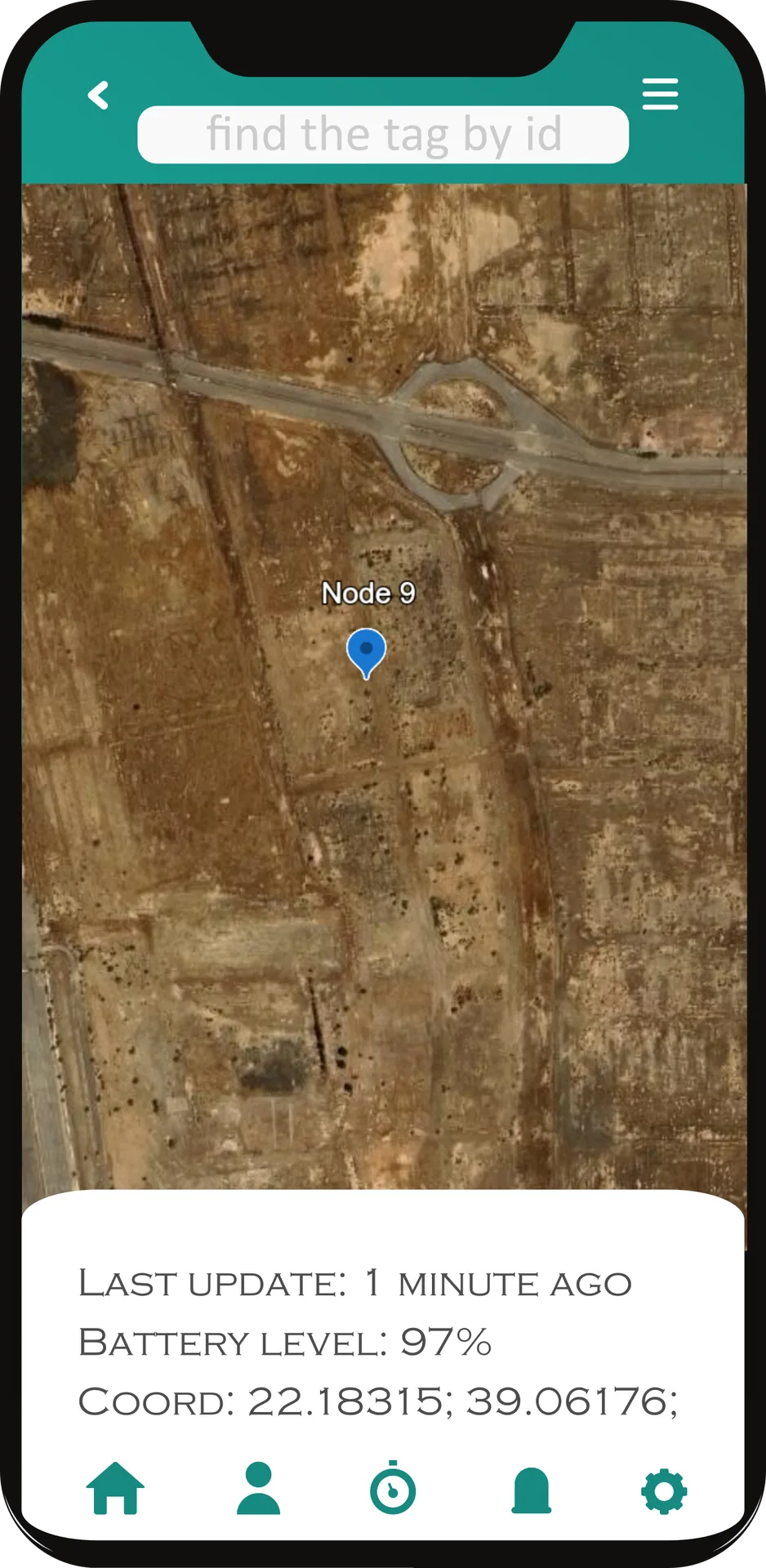
The core research is published in the IEEE Internet of Things Journal. We tested the full system across a 2.4 km by 1.9 km area of the KAUST campus. Operators see each tag on a site map in a mobile app.
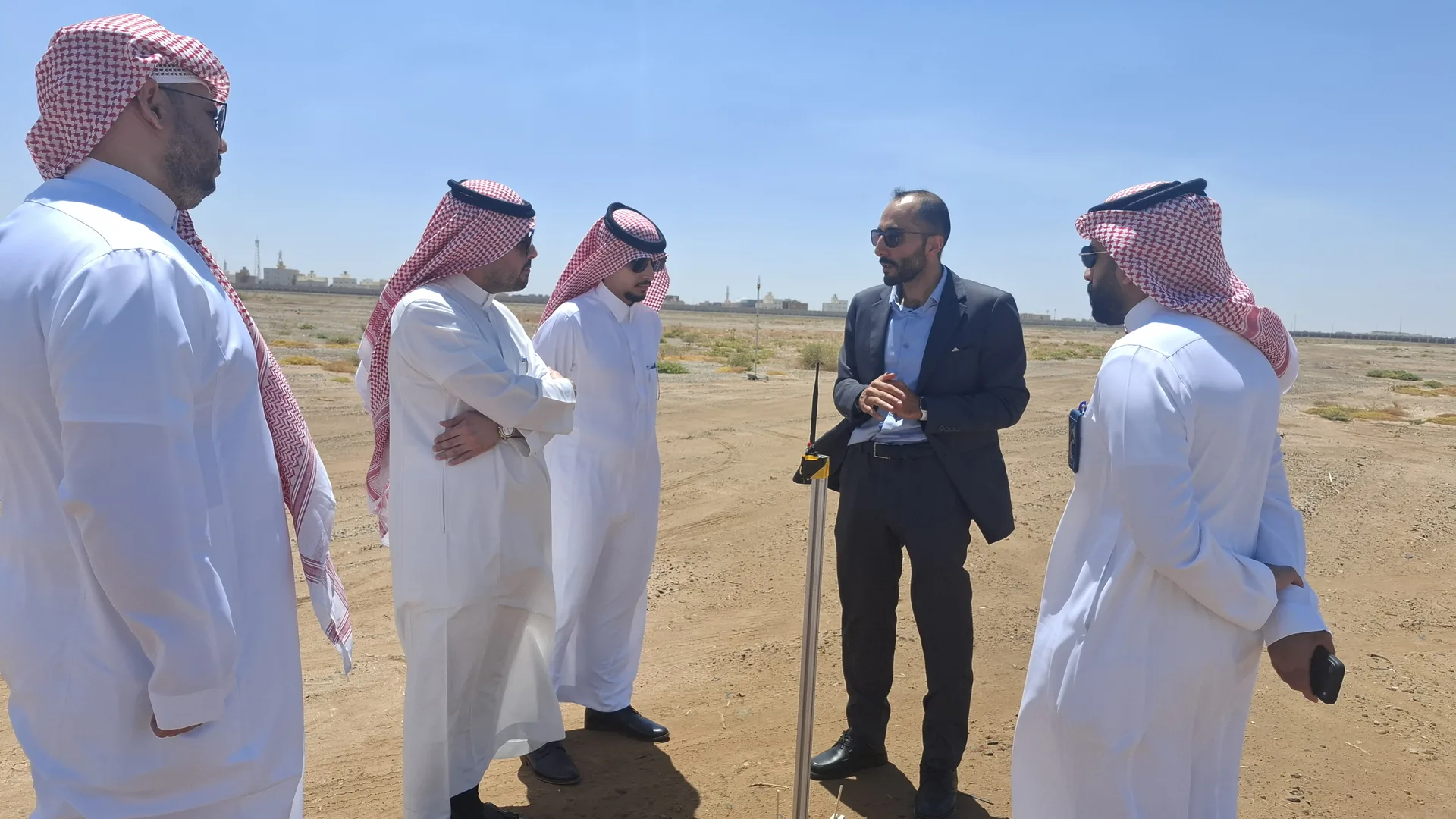
We also ran a successful live proof of concept for the Zakat, Tax and Customs Authority (ZATCA). Prof. Mohamed-Slim Alouini, head of the KAUST Communication Theory Lab, is the venture’s technical advisor.
What comes next
The 12-week venture development stage started on November 15. Hasan and I now work on site at DTV with investors, engineers, and mentors from Silicon Valley, Europe, and the region. Our goals for these weeks are to:
- Validate our first market with real customers.
- Move the hardware from prototype toward a product with DTV’s prototyping partners.
- Prepare AnchorSight for Deal Day.
I am grateful to the DTV Venture Building team for this opportunity, and to Prof. Alouini and KAUST CTL for their support.
Read the KAUST CTL announcement
The KAUST Communication Theory Lab announced the selection here: Link
Photos Gallery