Saudi Aramco Digital Hackathon Winners
Published:
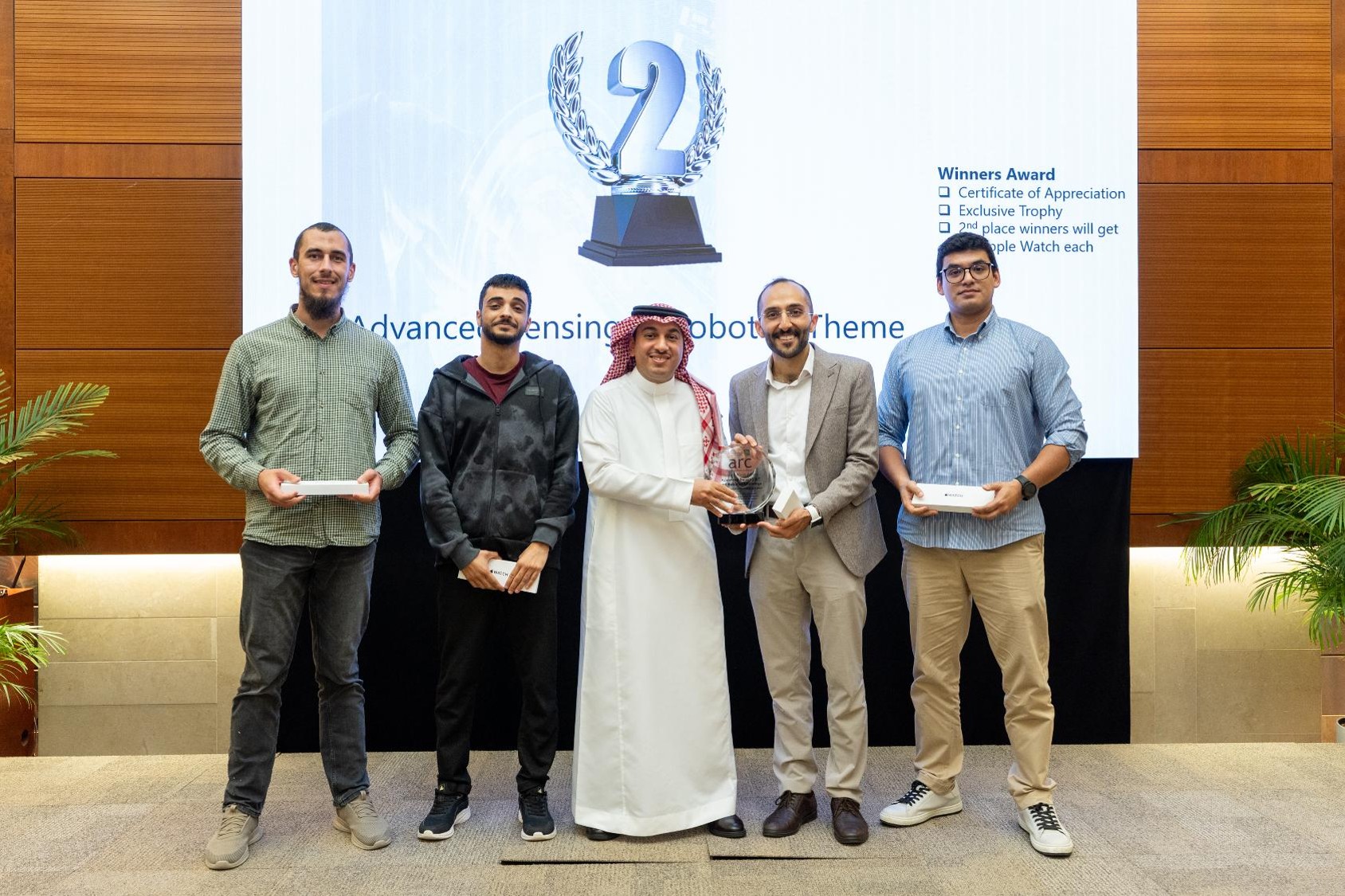
We won second place at The 3rd Saudi Aramco Digital Hackathon under the Advanced Sensing IoT and Robotics Challenge theme.
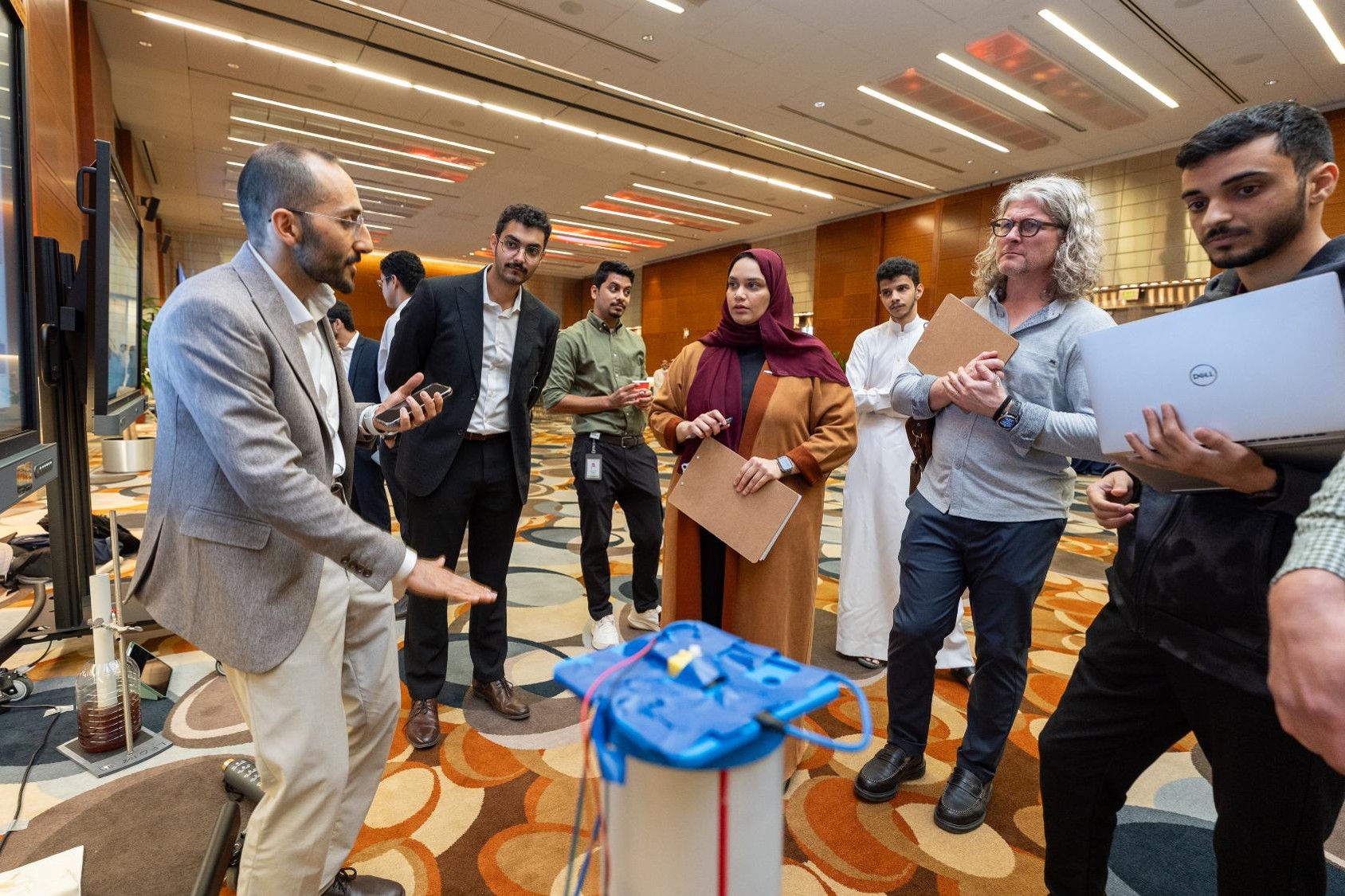
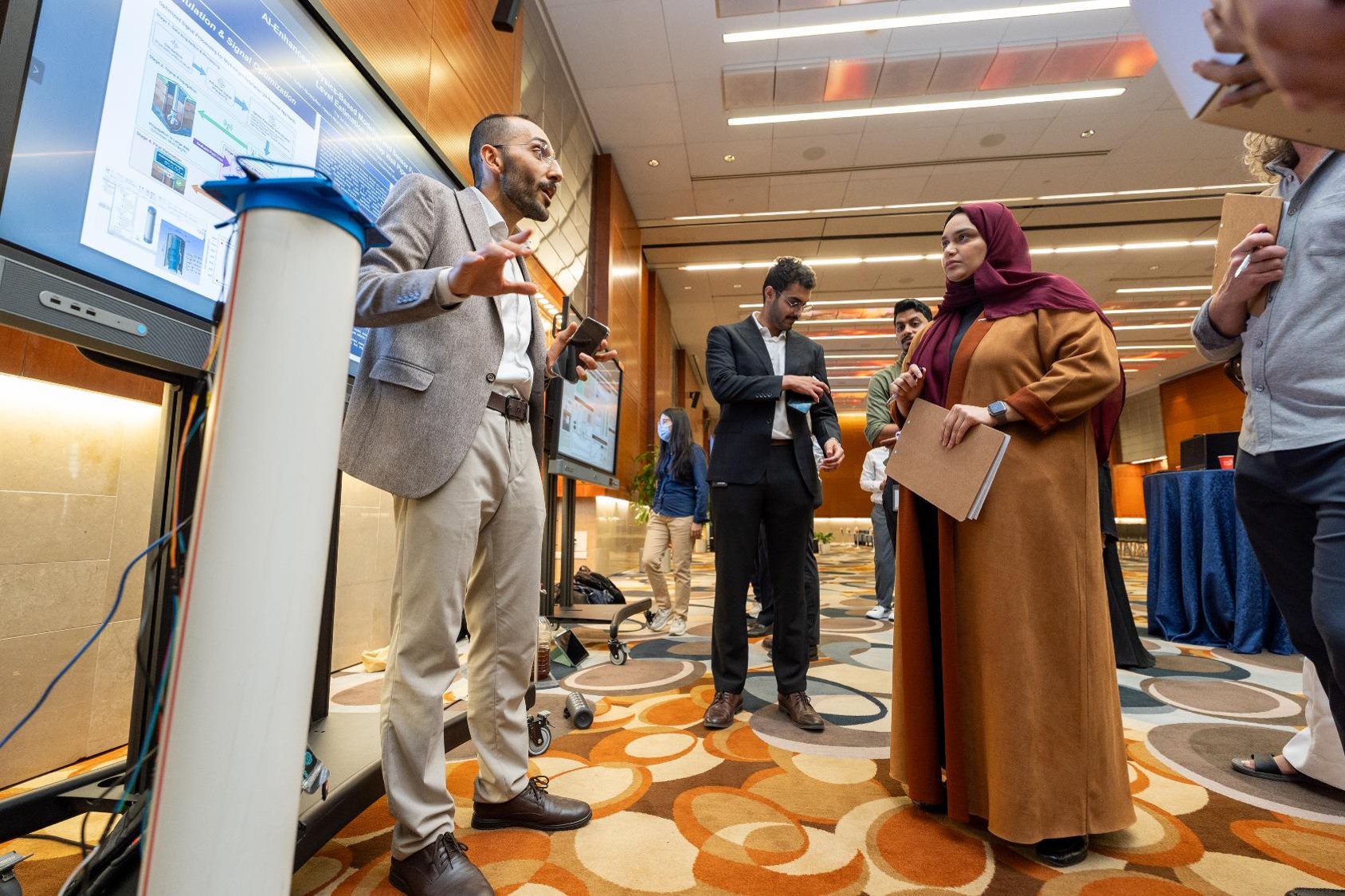
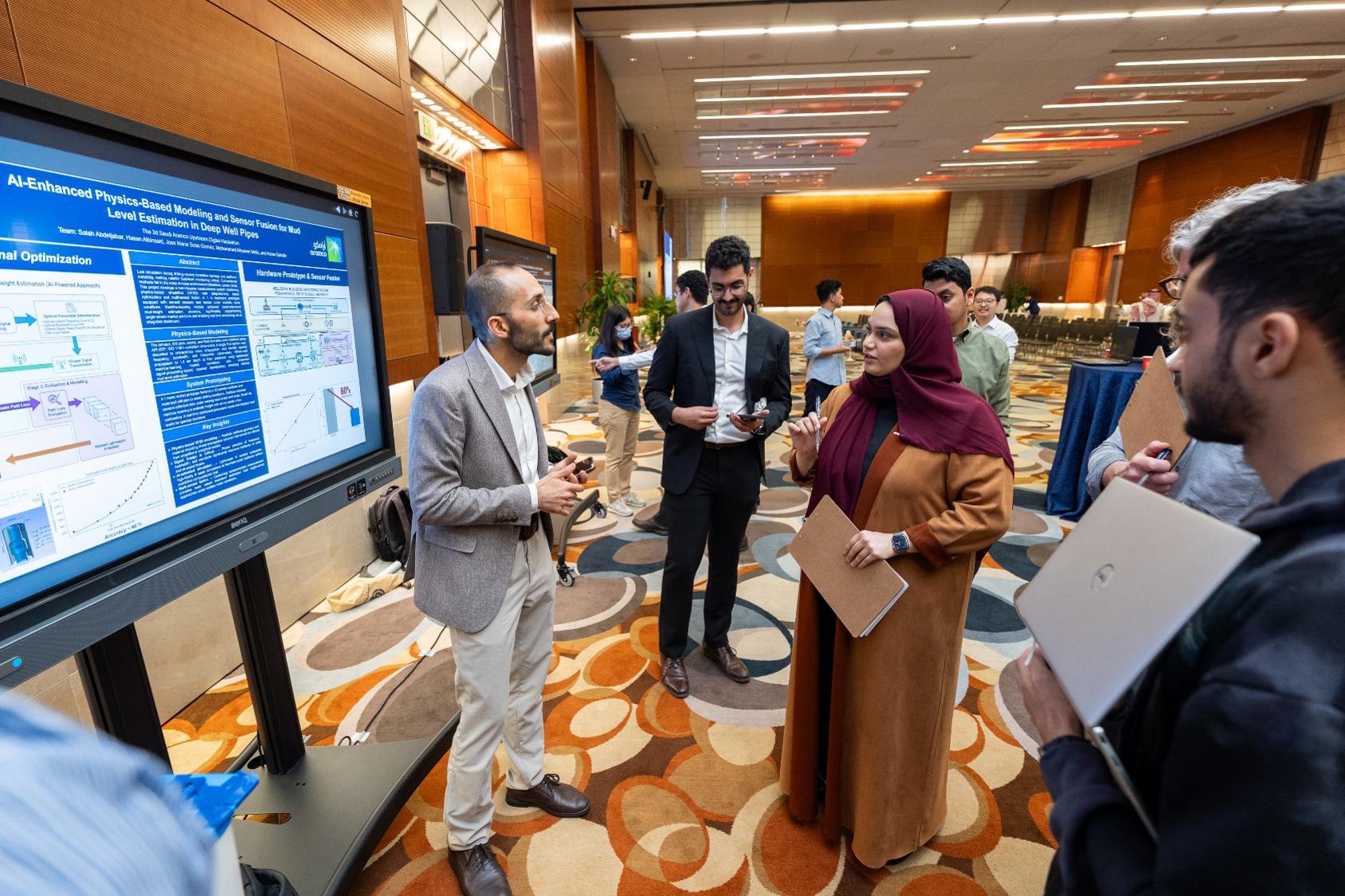
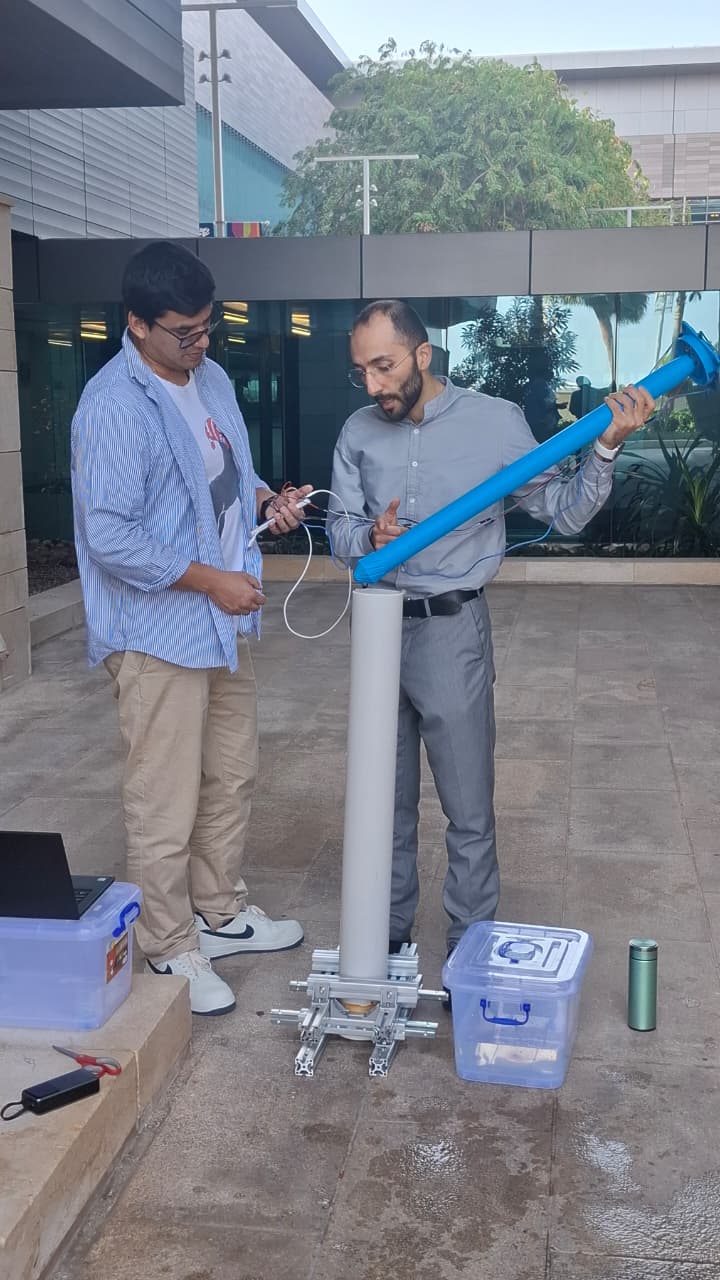
Our project, AI-Enhanced Physics-Based Modeling and Sensor Fusion for Mud Level Estimation in Deep Well Pipes, develops a non-intrusive measurement system combining physics-based simulation with deep-learning signal optimization and multi-sensor fusion for reliable fluid-level monitoring in wellbores. Our 1 m hardware prototype achieved centimeter-level accuracy in realistic noisy conditions.
About the Hackathon
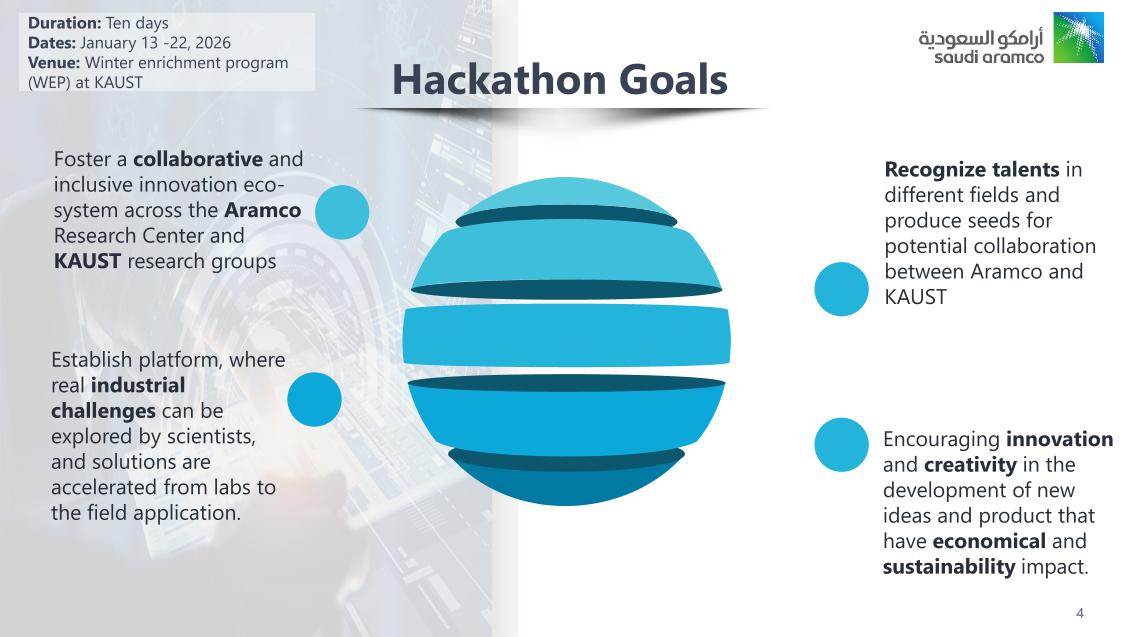
Our team won second place at The 3rd Saudi Aramco Digital Hackathon held in January 2026 as part of the KAUST Winter Enrichment Program (WEP’2026). The hackathon brought together graduate students, researchers, and engineers from across the university to address real industrial challenges proposed by Saudi Aramco, with a focus on innovation, practicality, and early validation.
The competition featured several challenge themes across advanced sensing, IoT, and robotics. Our team competed under the Advanced Sensing, IoT, and Robotics Challenge theme, where participants were tasked with solving critical problems in industrial operations.
The Challenge: Mud Height Monitoring During Lost Circulation
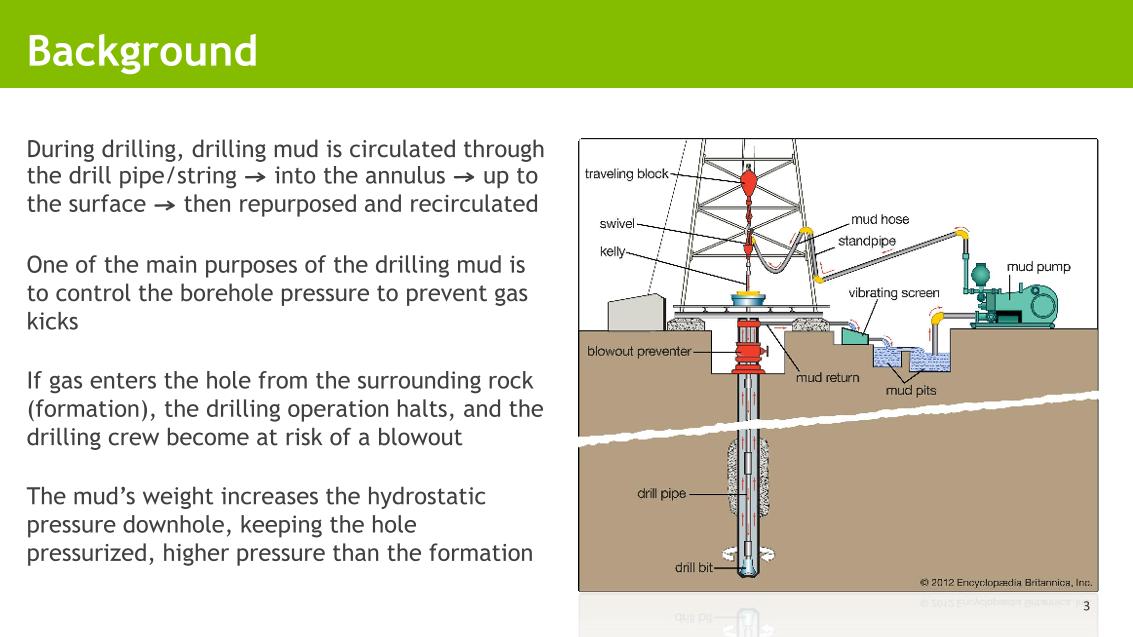
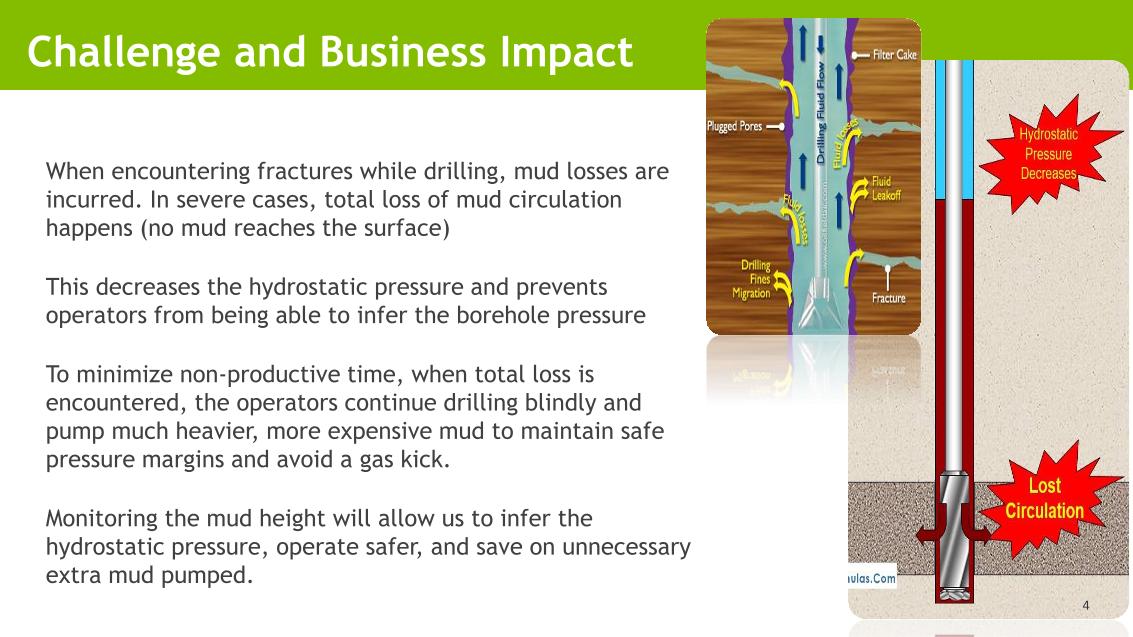
The problem we tackled is critical in oil and gas operations: monitoring mud height during lost circulation while drilling. During drilling operations, mud is circulated through the well to maintain hydrostatic pressure and prevent gas influx. When mud is lost into fractures in the formation, operators lose visibility of the remaining mud level, significantly increasing the risk of wellbore instability and blowouts.
Existing solutions often rely on indirect measurements or acoustic signals, but these struggle in the extremely noisy and complex drilling environment. This presented a clear need for an innovative, non-intrusive sensing approach that could provide reliable real-time monitoring.
Our Solution: Physics-Based Modeling and Multi-Sensor Fusion
We developed a comprehensive solution combining physics-based modeling, advanced signal processing, and multi-sensor fusion:
1. Simulation Framework We created a realistic simulation using industry-standard wellbore and drill pipe geometries to study how acoustic signals propagate through the annulus under noisy conditions. The simulation was extended to kilometer-scale wells using lightweight machine learning models combined with signal-processing-based channel equalization.
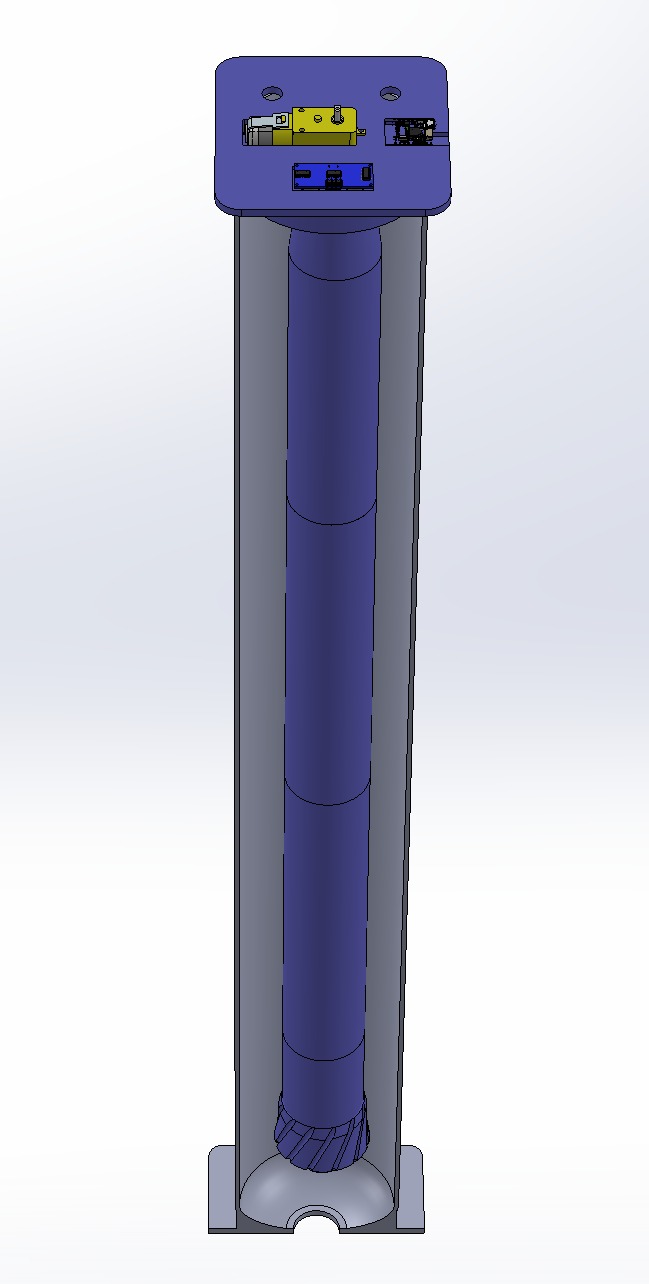
2. Hardware Prototype In parallel, we built a scaled hardware prototype featuring:
- A 3D-printed wellbore emulating drilling conditions
- A motorized drill pipe for realistic movement
- Surface-mounted sensors to collect data under varying mud levels and noise scenarios
The prototype achieved centimeter-level accuracy in estimating mud level trends under realistic noisy conditions, which is a significant validation of our approach.
3. Real-Time Dashboard We developed a real-time visualization dashboard to display sensor data and estimated mud levels, enabling operators to make informed decisions and respond quickly to changing downhole conditions.
4. Sensor Fusion and Intelligent Signal Design By fusing information from multiple sensors and applying machine learning techniques, we demonstrated how intelligent sensor design can overcome limitations of single-sensor solutions and improve operational safety while reducing unnecessary mud usage.
Why We Won: Judges’ Recognition
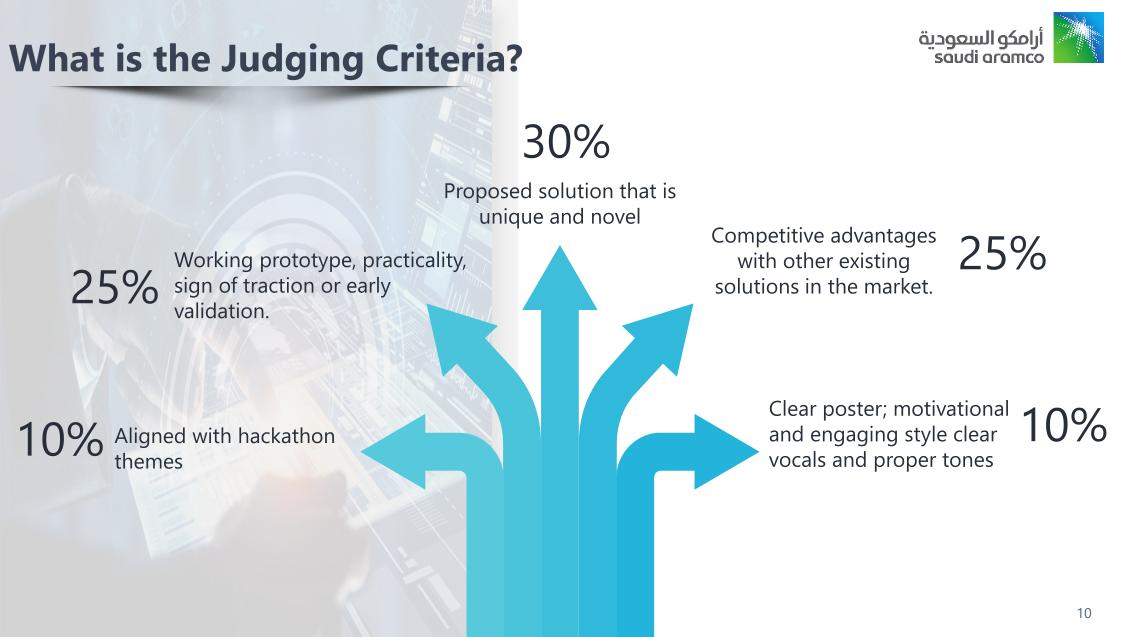
The judges highlighted several strengths of our project:
- Alignment with industrial needs: Direct relevance to real drilling operations and operator safety
- Combination of simulation and experimental validation: Bridging theory and practice
- Clear potential for integration: The solution can be integrated with existing drilling monitoring systems
- Comprehensive approach: Multi-disciplinary integration of signal processing, machine learning, and hardware engineering
Impact and Future Directions
The success of our team reflects KAUST’s growing role in addressing real-world challenges at the intersection of wireless sensing and advanced signal processing. This work demonstrates how fundamental research in communication systems can be applied to critical industrial problems. The hackathon experience also provided valuable insights into translating research concepts into practical prototypes under tight time constraints.
Resources
For more details about the hackathon, the challenge, and our project, please refer to the resources below:
Read the KAUST CTL Announcement
The KAUST Communication Theory Lab announced our team’s achievement here: Link
Photos Gallery